Evaluating Car Engine Replacement Costs: How to Make Informed Decisions
Evaluating Car Engine Replacement Costs: How to Make Informed Decisions
Blog Article
Shopping for high-quality engine parts is critical to ongoing vehicle performance and repairs. An engine parts store stocks a vast assortment of automotive components, featuring indispensable items like starter motors and various engine parts. Numerous car owners are on the lookout for reputable sources to obtain parts for their v8, diesel, and remanufactured engines. If you're interested in a detailed exploration of your choices, you’ll find a broad array tailored for every engine aspect you might need. With various engine shops available, it's essential to discern which store will meet your needs best. This article will investigate the fundamental factors to consider when choosing a trusted engine parts supplier, the kinds of components you might discover, and how pricing can vary based on your individual requirements the official site.Steps to Take When Visiting an Engine Parts Store
Engine parts additional article store
Tips for Shopping for Engine Parts
When looking for engine parts, focusing on quality is essential. Higher quality parts often yield better long-term performance and durability.
- Research Your Car’s Specifications: Know your vehicle's engine specifications to avoid purchasing incompatible parts.
- Source OEM Parts When Possible: Original Equipment Manufacturer (OEM) parts usually ensure the best fit and functionality.
- Don’t Hesitate to Compare Shops: Prices can vary between stores, so comparing multiple options is advisable.
- Consider Warranty Options: Check if the parts come with a warranty — it can save you from future expenses.
- Join Online Forums: Engaging with automotive communities can provide valuable insights and recommendations for parts and stores.
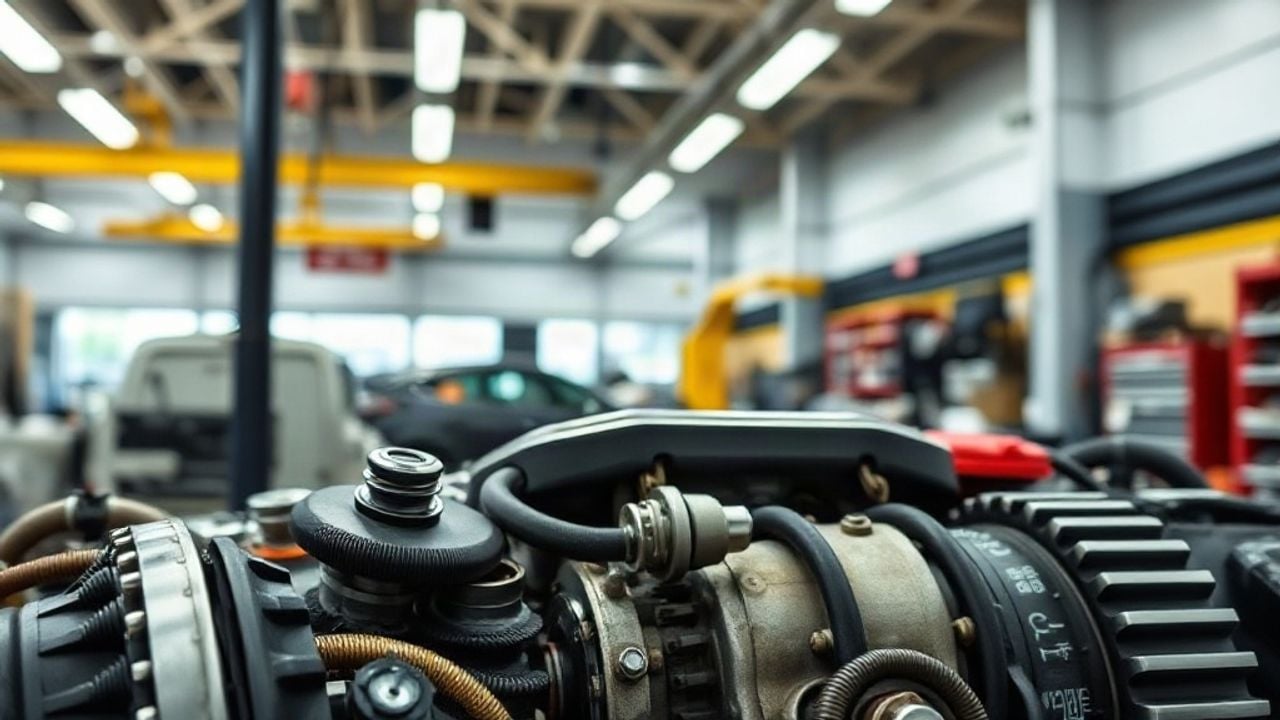 engines for saleengines for sale overview
Exploring Engine Components
The engine parts within your vehicle serve as the foundation for its performance and reliability. Every component, from the starter motors that trigger ignition to complex mechanisms like fuel injectors, contributes significantly to the engine's functionality. Within an engine parts shop, you are likely to discover a range of components designed for various automotive engines. Regardless of whether you require parts for classic American muscle cars, foreign sedans, or powerful diesel engines, a well-equipped store can align with your needs.
As an example, consider the factors involved in purchasing a rebuilt engine, which entails considerable labor and material expenses, affecting the overall cost of replacement. Gaining an understanding of the pricing framework at your local engine parts establishment is vital. Your purchase decisions might copyright on several aspects, including your vehicle's brand, the engine type required, and your preference for new, used, or remanufactured items. Having access to knowledgeable staff in an engine parts store can be incredibly beneficial in helping you navigate to the right choices tailored to your individual circumstances.
Types of Components Available
When you venture into an engine parts store, knowing the different categories of items available can be immensely helpful. Common categories comprise electrical components, engine blocks, gaskets, pistons, and filters. For instance, starter motors are essential for igniting the ignition process of an engine and are frequently found in stores. In contrast, the engine block serves as the core structure that many parts anchor to, fundamentally influencing the vehicle’s operation.
Additionally, high-performance parts such as LS3 motors are often available at well-stocked retail locations, designed for those wishing to elevate their vehicle's performance for both everyday driving and racing. Diesel engine components represent a substantial area as well, given the special needs and characteristics of diesel engines that set them apart from conventional gasoline models.
Choosing the Right Engine Parts Store
Selecting an appropriate store for engine parts is vital for your automotive repair or custom project. Start by looking into the store’s standing; customer reviews and feedback on the internet can shed light on their service quality and the dependability of their products. Aim for stores that cater specifically to your vehicle model. Some shops excel in servicing vintage automobiles, while others are tailored more for modern or imported options.
An additional key aspect is the breadth of their inventory. A comprehensive engine parts store guarantees that you'll find a wide array of parts, which may encompass everything from typical engine replacements to specialized performance components like aftermarket v8 engines. It’s wise to interact with the store's employees; having access to knowledgeable staff can significantly aid you in understanding the technicalities of engine parts, leading to more informed purchases.
The Costs of Engine Parts
Understanding the costs associated with engine parts is vital for any vehicle owner. Prices can vary dramatically based on the type of part, the make and model of the vehicle, and whether the parts are new, used, or rebuilt. For instance, while a starter motor may range from a couple hundred to several hundred dollars, a comprehensive car engine replacement can soar into the thousands, factoring in both parts and labor costs.
Additionally, specialized parts like ls3 engines often come with a premium price tag due to their performance capabilities. However, it's wise to remember that investing in quality parts can lead to longer-lasting performance and fewer future repairs. For those comparing prices, looking at local options ensures you're aware of potential shipping costs and wait times involved with online orders.
Automotive engines encompass a wide variety of platforms and technologies, and understanding these can enhance your ability to navigate purchasing decisions effectively.Frequently asked questions
What is an Engine parts store?
An engine parts store specializes in selling components used in the assembly, repair, and maintenance of automotive engines. This includes a variety of parts like starter motors, engine blocks, and more.
How do I choose an Engine parts store provider?
When selecting an engine parts store, consider the range of inventory, customer reviews, and the expertise of staff. It’s also wise to assess whether they specialize in your vehicle type.
How much does Engine parts store cost?
Costs vary widely depending on the type of part and vehicle. Simple components like starter motors can range from $100-$500, while complete engine replacements can be several thousand dollars.
Understanding the nuances of engine parts stores will bolster your confidence in choosing the right components for your vehicle. By following the outlined steps and tips, you are setting yourself up for a successful shopping experience.
Investing time in research can yield significant long-term benefits, ensuring your vehicle runs smoothly while also potentially saving on future repair costs.